

Sacroiliac Joint Radiofrequency Ablation
Sacroiliac (SI) joint radiofrequency ablation is a minimally invasive treatment designed to provide long-term relief from chronic lower back or pelvic pain that originates from the SI joint. This joint connects the base of the spine to the pelvis and can be a significant source of discomfort when inflamed or irritated. By targeting the nerves responsible for transmitting pain from the SI joint, this procedure helps disrupt the pain pathway and restore function.
This outpatient treatment is typically recommended after a successful diagnostic injection confirms the SI joint as the source of pain. It’s a safe and effective option for patients who have not responded well to physical therapy, medications, or injections.
What is it?
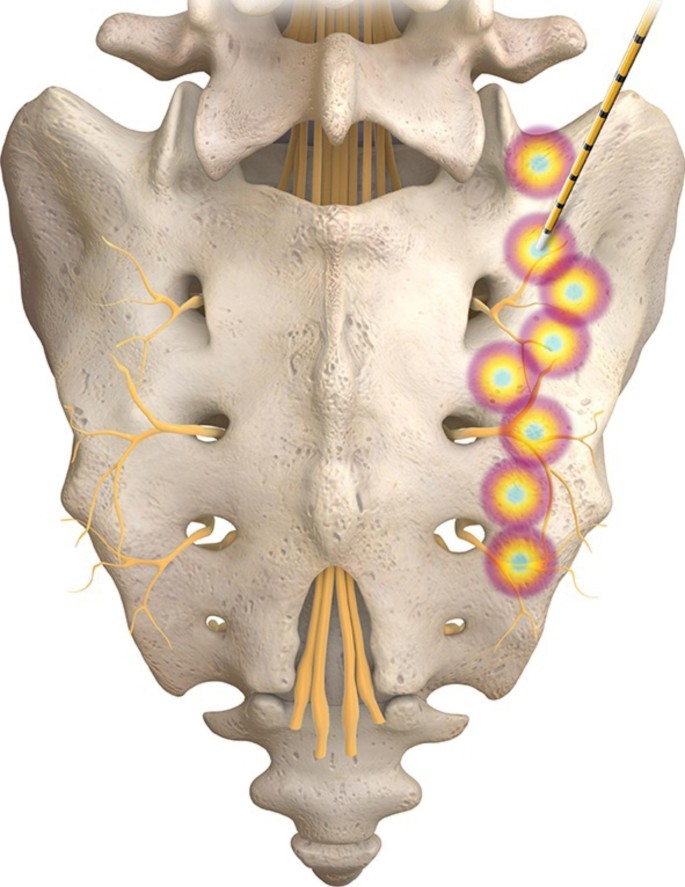
Sacroiliac joint ablation is a minimally invasive procedure that uses radiofrequency energy to heat and disable nerves causing pain in the sacroiliac joint, located between the spine and pelvis. It aims to provide long-term relief for patients with chronic lower back or buttock pain due to joint dysfunction.
How is it performed?
Under fluoroscopic guidance, a small needle is placed at small nerves that transmit pain from the sacroiliac joint. Radiofrequency energy is then delivered through the needle to heat and precisely disrupt the nerves, reducing pain signals from the joint. The procedure takes about 30 minutes. You will be monitored for a short period of time, and then released to go home that same day.
Technology Partners
Avanos’ Trident and Coolief, Boston Scientific, Abbot, Stryker’s Venom, Stratus Medical’s Nimbus
Keypoint #1-Lorem Ipsum
Lorem Ipsum mon fringilla dolor felis amet fusce.
• Libero auctor
• Enim molestie iaculis
• Massa bibendum
• Ultrices varius
Metus euismod tellus penatibus in ex morbi euismod mollis.
Phasellus venenatis augue luctus sollicitudin elementum suspendisse.
Treatment Benefits
Radiofrequency ablation can offer pain relief that lasts for an average of 12 months, but can be easily repeated up to every 6 months in severe cases. Benefits include improved mobility, reduced reliance on medications, and a better ability to engage in physical activity or rehabilitation. The procedure is image-guided, which ensures accuracy and minimizes risk.
Who Can Benefit From This Treatment
This treatment is often recommended for individuals with confirmed SI joint dysfunction who continue to experience pain despite conservative treatment. A diagnostic nerve block is typically performed first to ensure the targeted nerves are the true source of the pain.
Learn more about Sacroiliac Joint Radiofrequency Ablation by contacting the Minimally Invasive Spine and Pain Institute—our team is here to help you explore your options.
Aftercare for Sacroiliac Joint Radiofrequency Ablation
After SI joint radiofrequency ablation, it’s common to experience mild soreness, swelling, or a sunburn-like sensation at the treatment site for 1 to 2 weeks. These symptoms are typically temporary and resolve within a few days. Most patients feel significant relief within 1 to 2 weeks, but the full benefits of the procedure may take up to 6 weeks to set in. Most people are able to return to light activity within a day after the procedure.
Tips for a Smooth Recovery
Follow these guidelines to support healing after sacroiliac joint radiofrequency ablation:
- Limit strenuous activity or twisting motions for the first 24–48 hours
- Use ice packs to manage localized swelling or discomfort
- Keep the injection site clean and dry until any tenderness resolves
- Resume walking and gentle movement to promote circulation and joint mobility
- Notify your provider if you experience increased pain, redness, or unusual symptoms