

Pudendal Nerve Block
A pudendal nerve block is a minimally invasive procedure used to relieve chronic pelvic pain, especially in the perineal, genital, or rectal areas. This treatment targets the pudendal nerve, which carries pain signals from the lower pelvis, and can offer significant relief for patients dealing with conditions like pudendal neuralgia or pain following childbirth, surgery, or trauma. By quieting irritated or compressed nerves, the block helps restore comfort and improve quality of life.
It may also serve as a diagnostic tool to confirm whether the pudendal nerve is contributing to a patient’s pain. For many, it opens the door to further treatment options or ongoing symptom management.
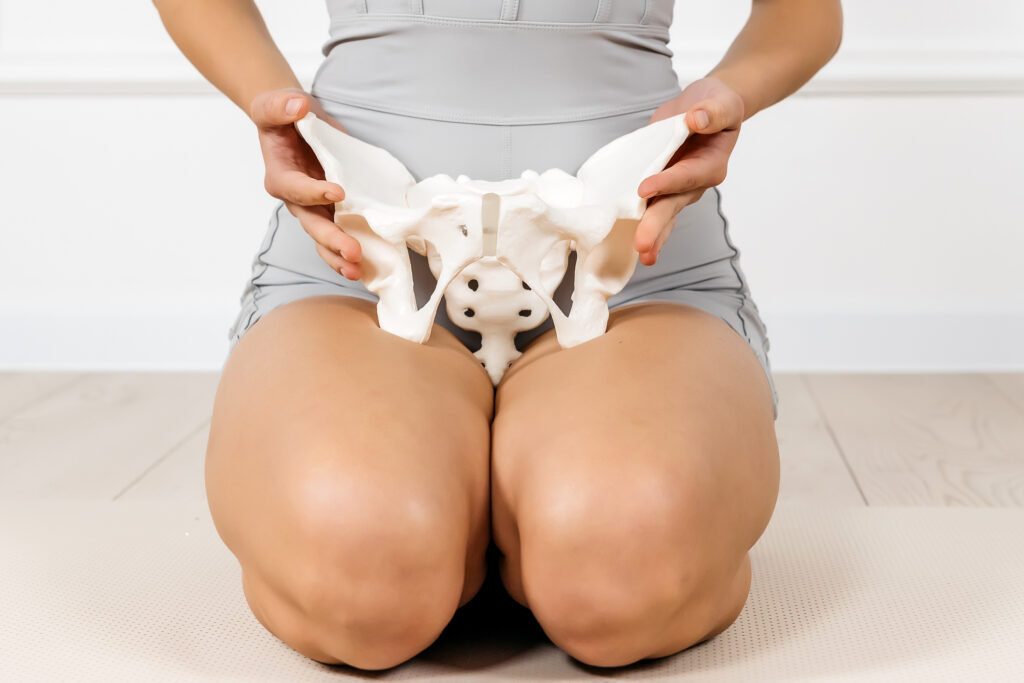
What is it?
A pudendal nerve block treats chronic pain in the pelvic and genital areas by targeting the pudendal nerve with local anesthetic and sometimes steroid medication.
How is it performed?
Using fluoroscopic guidance, medication is injected near the pudendal nerve. The procedure takes about 15 minutes. You will be monitored for a short period of time, and then released to go home that same day
Keypoint #1-Lorem Ipsum
Lorem Ipsum mon fringilla dolor felis amet fusce.
• Libero auctor
• Enim molestie iaculis
• Massa bibendum
• Ultrices varius
Metus euismod tellus penatibus in ex morbi euismod mollis.
Phasellus venenatis augue luctus sollicitudin elementum suspendisse.
Treatment Benefits
Pudendal nerve blocks offer targeted, local pain relief with minimal side effects. The procedure can reduce symptoms such as burning, tingling, or aching in the pelvic region and may improve function in activities like sitting or using the restroom. When successful, the block may be repeated or followed by other therapies such as peripheral nerve stimulation or dorsal root ganglion stimulation/sacral neuromodulation.
Who Can Benefit From This Treatment
This procedure is commonly recommended for individuals experiencing pelvic or perineal pain due to pudendal neuralgia, pelvic floor dysfunction, or nerve entrapment. It may also be beneficial for patients with pain related to surgery, trauma, or childbirth. A consultation and physical evaluation can help determine whether this block is an appropriate next step in your care plan.
Learn more about Pudendal Nerve Block by contacting the Minimally Invasive Spine and Pain Institute—our team is here to help you explore your options.
Aftercare for Pudendal Nerve Block
Following a pudendal nerve block, it’s common to experience temporary numbness, mild discomfort, or a “heavy” sensation in the pelvic region. These effects usually subside within a few hours. Some patients notice immediate relief, while others may feel gradual improvement over a few days. Because the area is sensitive, it’s important to avoid activities that place pressure on the pelvis during the initial recovery period.
Tips for a Smooth Recovery
Follow these guidelines to support healing after a pudendal nerve block:
- Resume light activity as tolerated and avoid anything that worsens symptoms
- Notify your provider if you experience any signs of infection such as fever, chills, sweats, or swelling, redness, and increased pain at the injection site.