

Minimally Invasive Lumbar Decompression
Minimally invasive lumbar decompression (MILD) is a targeted outpatient procedure designed to relieve pressure on spinal nerves caused by lumbar spinal stenosis. By restoring space within the spinal canal, this treatment helps reduce symptoms like lower back pain, numbness, or leg discomfort—especially when standing or walking. It offers meaningful relief without the need for open surgery, allowing patients to return to activity with improved comfort and mobility. Because MILD is performed through a small incision with minimal disruption to surrounding tissue, patients are released home a couple of hours after the procedure is finished, and are nearly fully recovered within a few days.
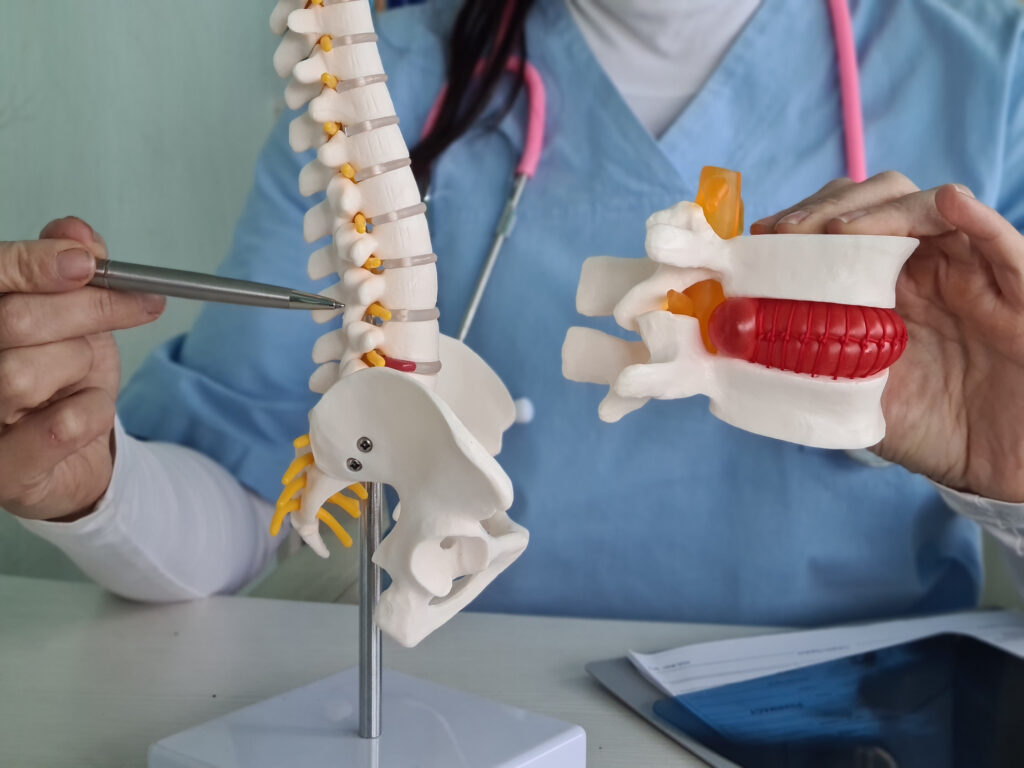
What is it?
MILD is a procedure that treats lumbar spinal stenosis by removing excess arthritic tissue compressing the spinal canal, thereby reducing pressure on nerves.
How is it performed?
Through a tiny incision and using fluoroscopic guidance, specialized instruments remove small portions of arthritic tissue. The procedure typically takes 30 minutes. You will be monitored for a short period of time, and then released to go home that same day.
Technology Partners:
Vertos
Treatment Benefits
One of the key benefits of MILD is its ability to improve walking tolerance while also reducing pain. Patients typically experience greater ease with daily activities, such as standing, walking, or climbing stairs. The procedure is done under local anesthesia and sedation, involves minimal tissue removal, and has an excellent safety profile—making it ideal for patients seeking relief with a lower risk procedure.
Who Can Benefit From This Treatment
This procedure is typically recommended for individuals diagnosed with lumbar spinal stenosis who are experiencing neurogenic claudication—pain, tingling, or numbness in the back, hips, legs, and/or feet that worsens with standing or walking. MILD is a viable option for patients who have not responded well to conservative therapies and want to avoid invasive surgery. A diagnostic evaluation, including imaging studies, helps determine if MILD is the right fit for your condition.
Learn more about Minimally Invasive Lumbar Decompression by contacting the Minimally Invasive Spine and Pain Institute—our team is here to help you explore your options.
Aftercare for Minimally Invasive Lumbar Decompression
After undergoing MILD, most patients are able to return home the same day. Some soreness or stiffness at the incision site is normal and typically resolves within a few days. Because the procedure is performed through a small incision with minimal disruption to muscles and surrounding tissue, recovery is generally quicker than with traditional back surgery. Following your provider’s instructions carefully will help ensure the best possible outcome and support a smooth return to activity.
Tips for a Smooth Recovery
Follow these guidelines to support healing after minimally invasive lumbar decompression:
Avoid heavy lifting, bending, or twisting for several days after the procedure
Use ice as needed to manage swelling or discomfort at the incision site
Gradually increase walking and light movement to promote circulation and flexibility
Keep the incision clean and dry until fully healed
Watch for signs of infection such as redness, swelling, or unusual drainage